
Hardware Tools
109 best Hardware tools and apps, curated and ranked by community upvotes on ProductCool. Updated daily as new Hardware products launch.

Axonnic’s forearm sleeve records muscle signals to track finger movement and estimate fingertip force. We combine EMG, video and hand pose into training datasets for robot tasks such as sewing, tool handling and delicate assembly.

Turn natural speech into real work with SpeakON Agent. It understands your Notes, connects your tools, and prepares Actions for you to review and confirm.

Making hardware used to take weeks of learning CAD, sourcing compatible parts, and writing firmware. With Confetti, it starts with a conversation. Create and edit designs, find components, and order printed parts straight to your doorstep. Start from scratch or remix a community project to make it your own.
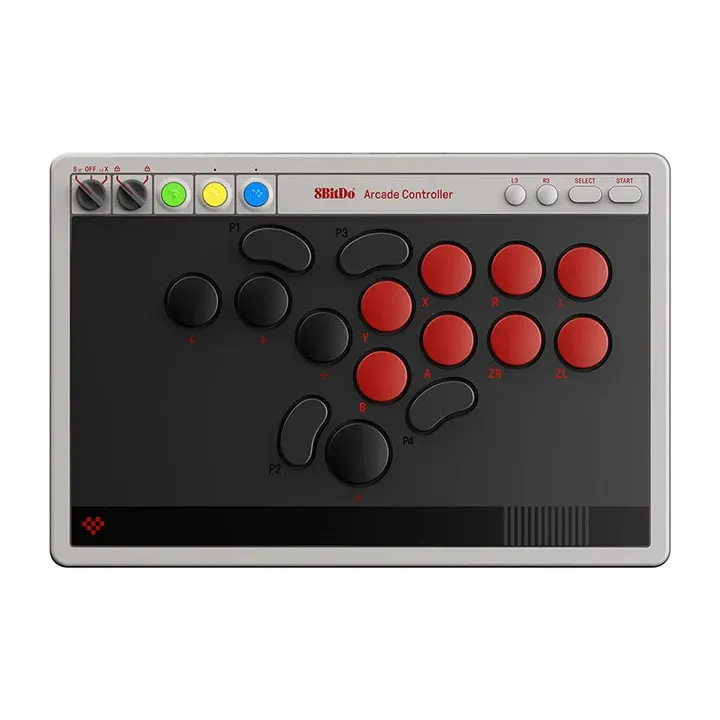
A customizable all-button arcade controller with a compact layout, built-in display, hot-swappable switches, RGB lighting, and a magnetic wrist rest.
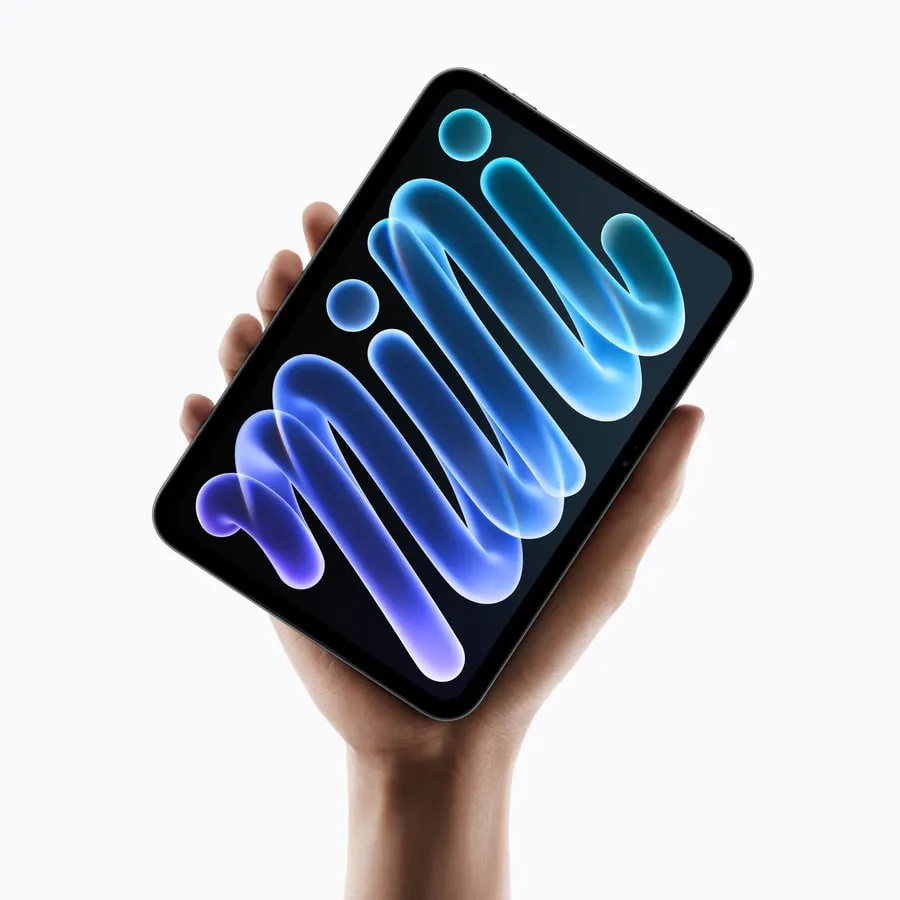
The all new iPad mini. Featuring the 8.5-inch Super Retina XDR display with OLED, A20 Pro chip, Apple Intelligence and Siri AI. Supports Apple Pencil.
Intel GPU D270 is an inference-optimized data center GPU built for agentic AI, long contexts, and high-concurrency serving at practical power and cost.

Built for Coding Agents, ESP-Mosaico is a modular development board powered by ESP32-S31. It takes AI agents beyond software and into the physical world, enabling them to create, deploy, test, and iterate on real hardware. Expandable modules and multi-unit tiling give AI agents more ways to create, while Chat Coding and Vibe Coding give you intuitive ways to turn ideas into working physical devices.
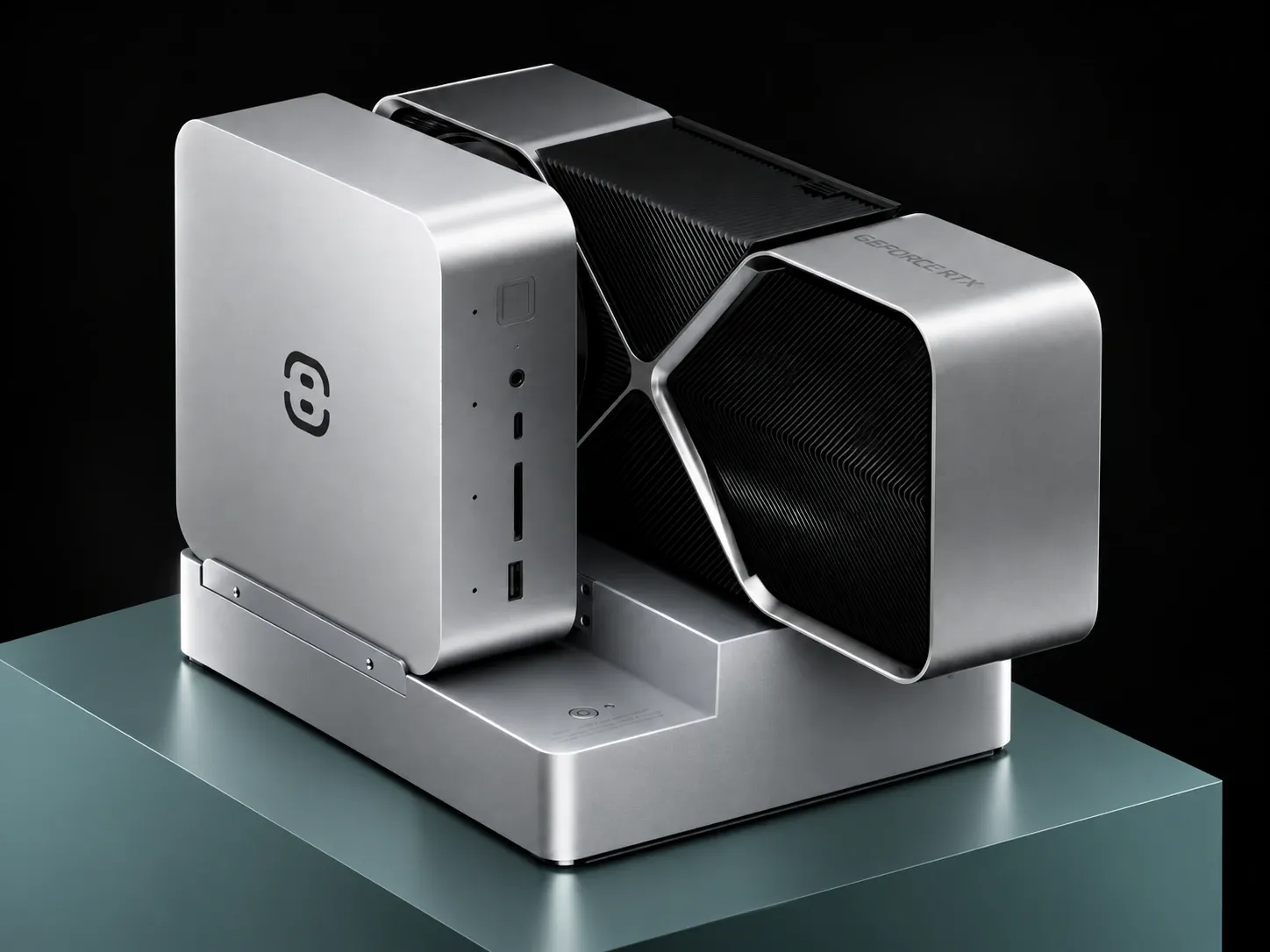
Own 1 is a fanless personal AI computer that runs two local LLMs and eight agents on your desk, from $3,899 with no subscriptions or per-token costs. What’s different: OwnXOS is AI-native, so every agent gets identity, budgets and an audit receipt, plus a wallet for x402 USDC payments. It bursts to OwnXCloud only when you allow it. Nexy, your private AI co-worker, ships on it and orchestrates hundreds of agents. Your data and memory stay local.
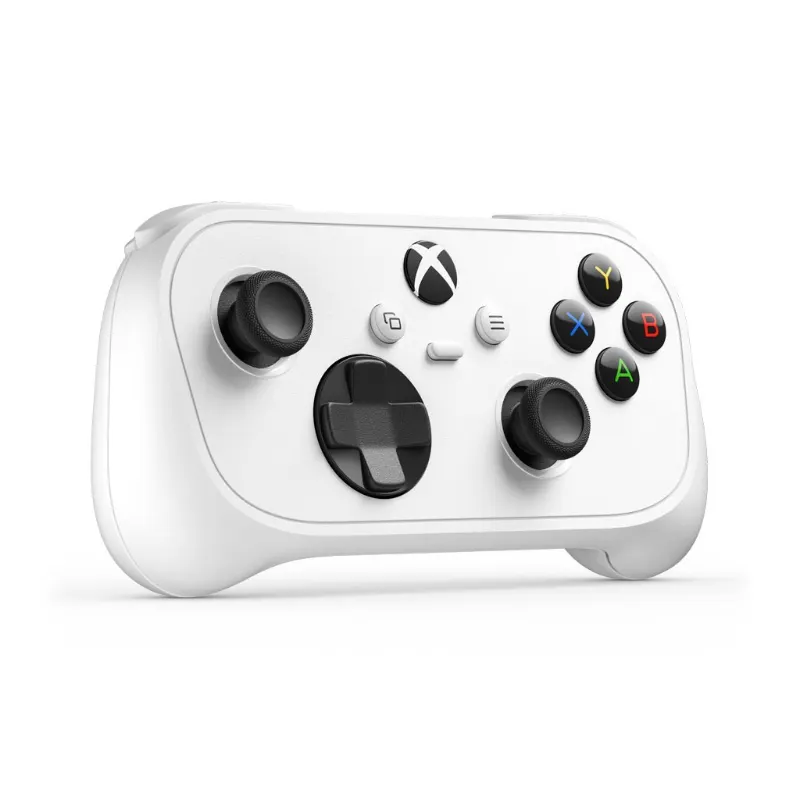
Take play to more places with the XBOX Nano Controller. Fit more play in your everyday in a smaller form factor. Connect via Bluetooth & play across devices.

Describe your device in plain English and siliXon takes it all the way to a routed, manufacturable PCB, built for anyone with an idea, not only engineers. In minutes. Rocky, our design agent, asks what it needs to know, then picks real, purchasable components, places them, draws the schematic and routes the copper. Edit in 2D and 3D, or just ask Rocky. Every board must pass engineering checks before it goes to manufacture, and the design files are yours.
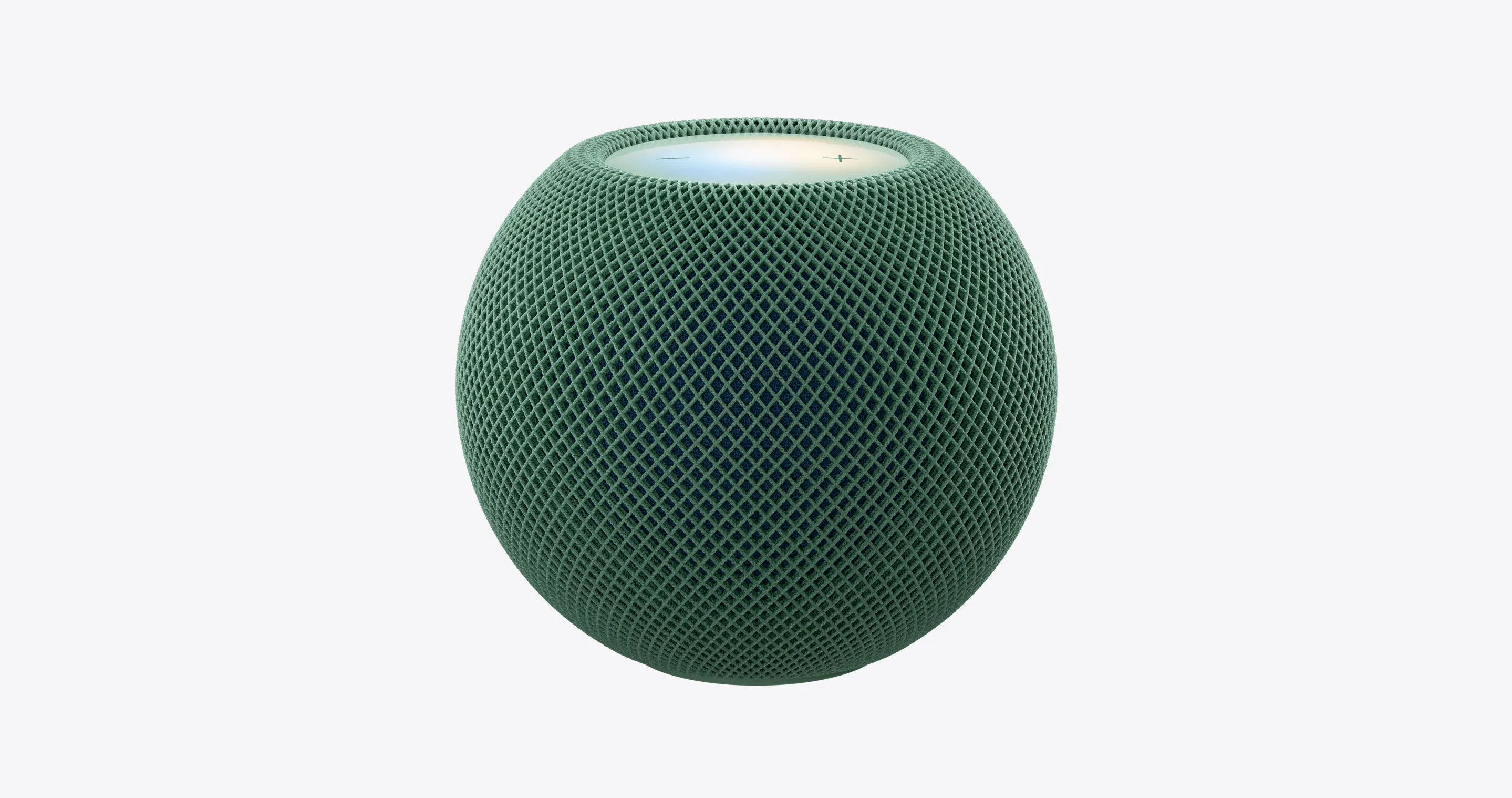
HomePod mini 2 is Apple's next-generation compact smart speaker, built for a more personal Siri AI experience coming in a future update. It brings rich 360-degree sound, new colors, and Sound Glow lighting that responds to your music. Enjoy improved Mac audio, multiroom playback, and surround sound with Apple TV 4K, plus hands-free smart home control. Starting at $149, with preorders open now and availability from October 30.

Maia 300 is Microsoft’s next-generation AI inference platform, announced Oct 12, 2026. Per Microsoft, it’s built for long-context reasoning, low-latency conversation, and agents, with 8 HBM4 stacks, TSMC N2P compute chiplets, and 96-accelerator racks. Microsoft claims 40% more tokens per megawatt. Production starts in 2027, and Azure Maia scales to multi-gigawatt deployments, becoming the main inference system for Microsoft’s products.

Ghost Core is a personal AI computer that runs AI models on-device, connects to your apps, files, and devices, and builds continuous context to proactively help you.
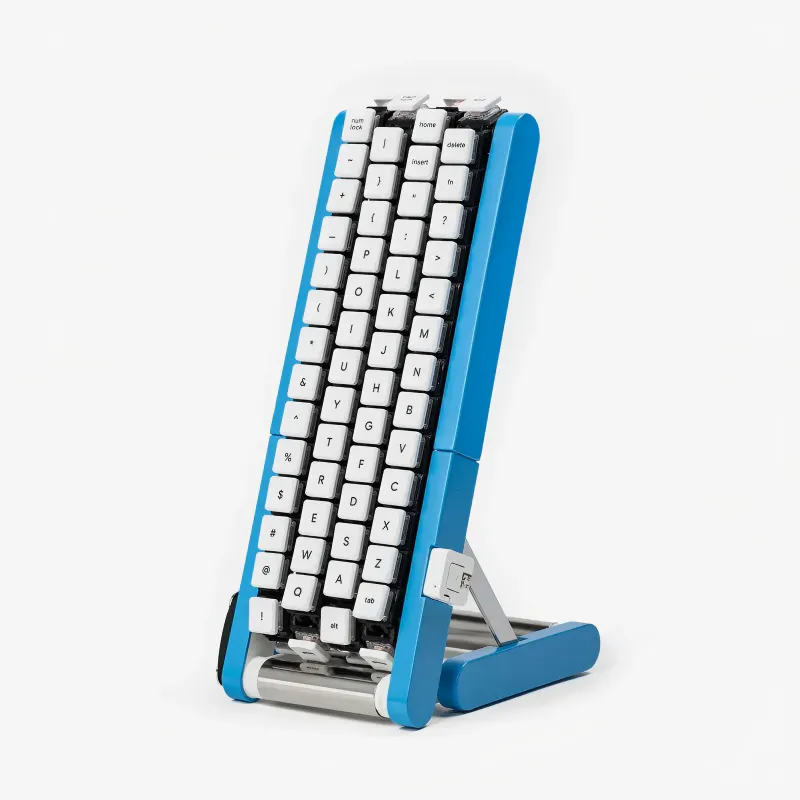
Gboard Kurukuru Version is a conveyor belt keyboard from Google Japan's Gboard team, its 15th. Four belts carry 29 keys each past your fingers, so one hand can reach every character. It isn't for sale, but STL files, firmware and a build guide are on GitHub.

Surface Laptop Ultra is Microsoft's most powerful Surface yet, powered by NVIDIA's RTX Spark Superchip. With Blackwell RTX graphics, up to 128GB of unified memory, and support for running AI models up to 120B parameters locally, it's built for developers, creators, and AI enthusiasts who want serious computing power without relying on the cloud. All packed into a 15-inch touchscreen laptop weighing under 4.5 lbs.
Amazon Alexa Tablets are a new Android lineup with full Google Play access and Alexa+ built in. Available in 8.7-inch, 11-inch, and 12-inch sizes, they bring on-screen AI assistance, live conversations, a distraction-free Kindle reading mode, and an optional Nanomatte display on the 12 Pro.
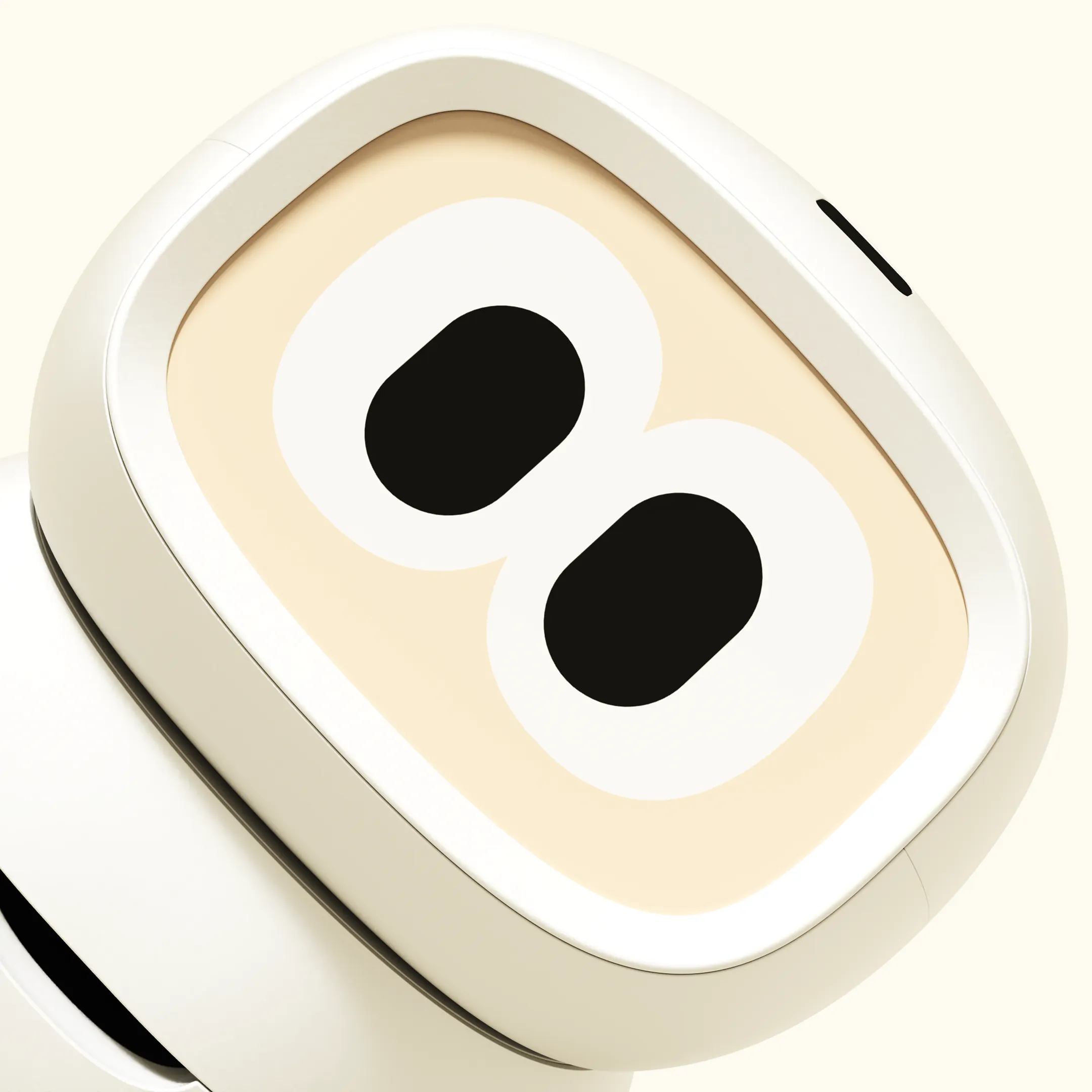
Aging at home has a visibility problem. Small changes in health and routine can go unnoticed for weeks or months, until the first obvious sign is something serious. Rhem is a tabletop robot that helps families see those changes earlier, while giving parents the everyday support they need to stay independent longer. Rhem was designed first for aging parents, but anyone can use it as an extra set of eyes and everyday help at home.

Muse Gadgets is Meta's open-source hardware toolkit for bringing Muse into the physical world. Connect an ESP32, Raspberry Pi, or Linux device to displays, microphones, speakers, buttons, sensors, and more, then let Muse interact through the hardware you build. Make a pocket AI companion, e-ink briefing display, smart-home controller, TV interface, or something entirely your own. SDKs and firmware are open source under Apache 2.0.
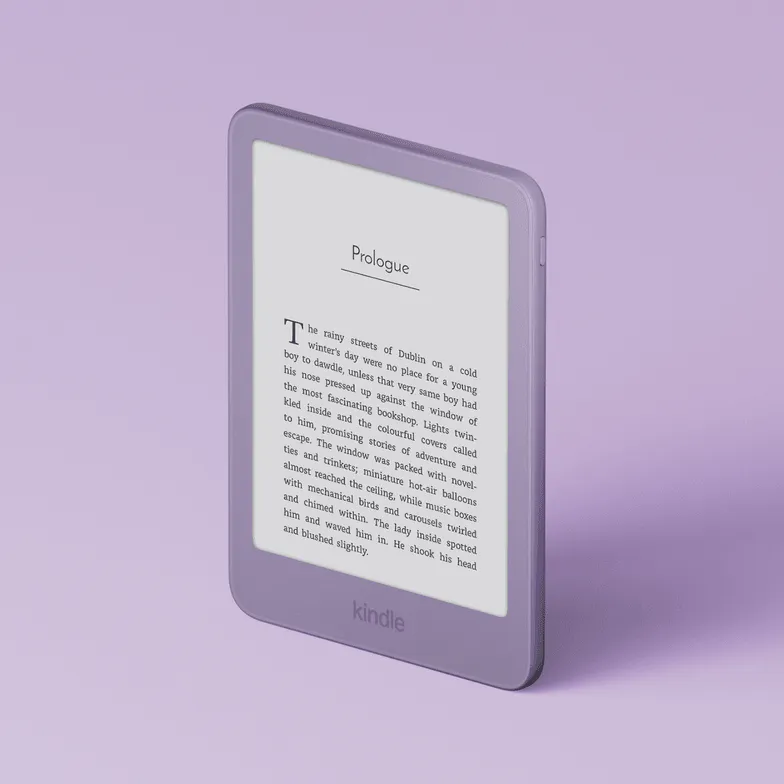
Kindle 2026 is Amazon’s redesigned 6-inch e-reader, now smaller and lighter with 30% faster book opening and a flush-front display. It also comes in a new 32GB aluminum version for the first time.

Bambu Lab R1 is a 55W CO2 laser cutter built around automation. It handles optical alignment, material positioning and surface tracking for you, with a 600 × 300 mm work area, clear acrylic support, and optional conveyor processing up to 3 meters.

Autonomyware turns your idea into an engineered physical product. Start with your vision and let autonomous AI handle the engineering process end to end. Describe what you want to create, then move from product definition through architecture, risk, CAD, BOMs, code, verification, and manufacturing preparation. One AI-native workspace keeps every decision and engineering artifact connected from idea to implementation.