Product Introduction
- Definition: Figma Motion is a native animation and prototyping tool integrated directly within the Figma design canvas. It is a specialized feature set categorized under UI animation software and interactive prototyping tools, designed to create, preview, and handoff time-based interactions without leaving the design environment.
- Core Value Proposition: Figma Motion exists to unify design and motion in a single source of truth, eliminating the need for context-switching between separate animation and design tools. Its primary value lies in making motion design a collaborative, systemic, and accessible part of the product design workflow, directly within Figma's collaborative canvas.
Main Features
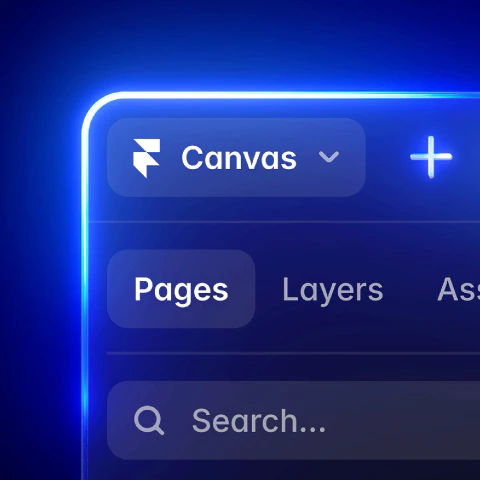
- Integrated Animation Timeline: A timeline interface appears within the design file, accessible by switching any frame to "Motion mode." Users can drag layers to adjust timing, scrub to preview, and create independent keyframes for position, scale, rotation, and opacity. How it works: It operates with auto keyframing that records property changes while the playhead moves, and supports time-based commenting directly on the canvas for precise team feedback.
- Atomic Motion System & Variables: Enables the creation of reusable motion systems. Users can build animated components that carry motion properties across all files, just like fill and typography. Motion variables allow for the creation of customizable easing curves with multiple modes (e.g., "Snappy," "Smooth"), which can be switched at the page level to update all referencing animations simultaneously, ensuring consistency at scale.
- Figma Agent for Motion: An AI agent assists both novice and expert designers. For beginners, it can generate keyframe sequences on the timeline based on a text prompt, demystifying the process. For experts, it automates repetitive tasks, allowing them to run multiple generation prompts in parallel while focusing on refinement.
- Shader Effects & 3D Transform Support: Transforms the scope of animatable properties. Any property exposed by a shader (previously limited in Figma) can now be keyframed on the motion timeline. Upcoming 3D transform capabilities will allow native rotation on the z-axis with live preview, fully editable and exportable as CSS.
- Developer Handoff & Export Capabilities: Provides a dedicated "Motion" tab in Dev Mode that displays the full, inspectable timeline with all timing values, easing curves, and keyframes. Developers can copy animation code directly in CSS, JSON, or React/Motion.dev formats. Files can also be exported as MP4, GIF, SVG, or WEBM for early alignment, and animated frames are MCP-compatible for seamless handoff to coding agents.
Problems Solved
- Pain Point: Eliminates the motion design bottleneck and context-switching caused by using separate tools for static design and animation, which often results in lost details, inconsistent motion systems, and a disconnect between design and code.
- Target Audience: UI/UX Designers (especially those less familiar with animation), Lead Motion Designers, Frontend Developers, Design System Architects, and Product Teams seeking to integrate interaction design early in the process.
- Use Cases: Systematizing and publishing reusable motion libraries; collaborating on complex interactive prototypes; enabling designers without deep animation expertise to implement basic motion; and ensuring pixel-perfect motion handoff to development via inspectable code.
Unique Advantages
- Differentiation: Unlike external animation tools (e.g., After Effects, Principle) or basic prototyping in Figma, Figma Motion is natively embedded in the collaborative design file. This means motion is co-located with components, variables, and team comments, solving the historic problem of motion being an afterthought or a "one-person job" requiring specialist handoff.
- Key Innovation: The systematization of motion through component-based animation and variable-driven easing. This approach treats motion as a scalable design system property rather than a collection of one-off animations, ensuring consistency across products and reducing redundant work each sprint.
Frequently Asked Questions (FAQ)
What is the difference between Figma Motion and traditional animation tools like After Effects? Figma Motion is a collaborative, canvas-native animation tool integrated with design components and developer handoff. Traditional tools are often standalone, non-real-time, and require exporting assets or code, whereas Figma Motion allows for live collaboration, systemization within a design file, and direct export to production code formats.
Do I need to know how to code to use Figma Motion effectively? No, coding knowledge is not required. The tool provides a visual timeline, keyframing, and preset animation styles. The AI agent can generate animations from text prompts, and the system is designed to help designers create complex motion visually. However, it produces precise code outputs (CSS, React) for developers, bridging the design-code gap.
How does Figma Motion improve collaboration between designers and developers? It improves collaboration by providing a single source of truth for motion. Developers can use Dev Mode to inspect the exact timeline, easing curves, and keyframes, copy animation code directly, or leverage MCP links to feed the full motion context to coding agents, ensuring the shipped product matches the designed intent with minimal translation.
Can Figma Motion handle complex, high-performance animations for web and mobile? Yes. Figma Motion supports keyframing of properties via shader effects, which unlocks advanced animation capabilities. The exported Motion.dev (React) and CSS code are optimized for performance, and the close collaboration with the development process ensures animations are built within performance constraints from the start.
Is Figma Motion available on all Figma plans? Figma Motion is currently in open beta. Starter users can access it with limited export options. Full seat users on all plans can access motion primitives and exports. Advanced features like full design system integration and the Figma agent for motion are available on paid Professional, Organization, and Enterprise plans.