Product Introduction
- OptySleep is a digital sleep optimization platform that enables users to systematically test lifestyle factors impacting sleep quality through daily habit tracking and controlled trials. It analyzes personal sleep patterns using AI models trained on aggregated data from over 8,000 users to deliver personalized recommendations.
- The product’s core value lies in replacing guesswork with evidence-based experimentation, allowing users to identify specific behavioral changes that measurably improve rest without requiring wearable devices or clinical sleep studies.
Main Features
- Users conduct daily sleep trials by logging variables like caffeine intake, screen time, or bedtime routines, which are automatically correlated with sleep quality scores measured via self-reported metrics (e.g., wake-up freshness, mid-day energy).
- The platform’s AI engine compares individual data against a anonymized dataset of 8,000+ users to isolate statistically significant factors affecting sleep, generating actionable insights such as "Reducing evening screen time by 30 minutes correlates with 12% faster sleep onset in your profile."
- A no-code experiment builder lets users create custom 3-7 day trials to test hypotheses (e.g., "Does 6:30 AM sunlight exposure improve deep sleep?") with automated progress tracking and significance calculators to validate results.
Problems Solved
- Addresses the lack of personalized, data-driven methods for non-clinical sleep improvement, particularly for individuals who cannot afford or tolerate sleep lab diagnostics or wearable sensors.
- Targets adults aged 18-45 seeking to optimize sleep performance without medical intervention, including shift workers, fitness enthusiasts, and professionals managing stress-related insomnia.
- Typical scenarios include identifying optimal pre-bed hydration limits, validating the impact of meditation apps on sleep continuity, or determining the ideal room temperature range through sequential A/B testing.
Unique Advantages
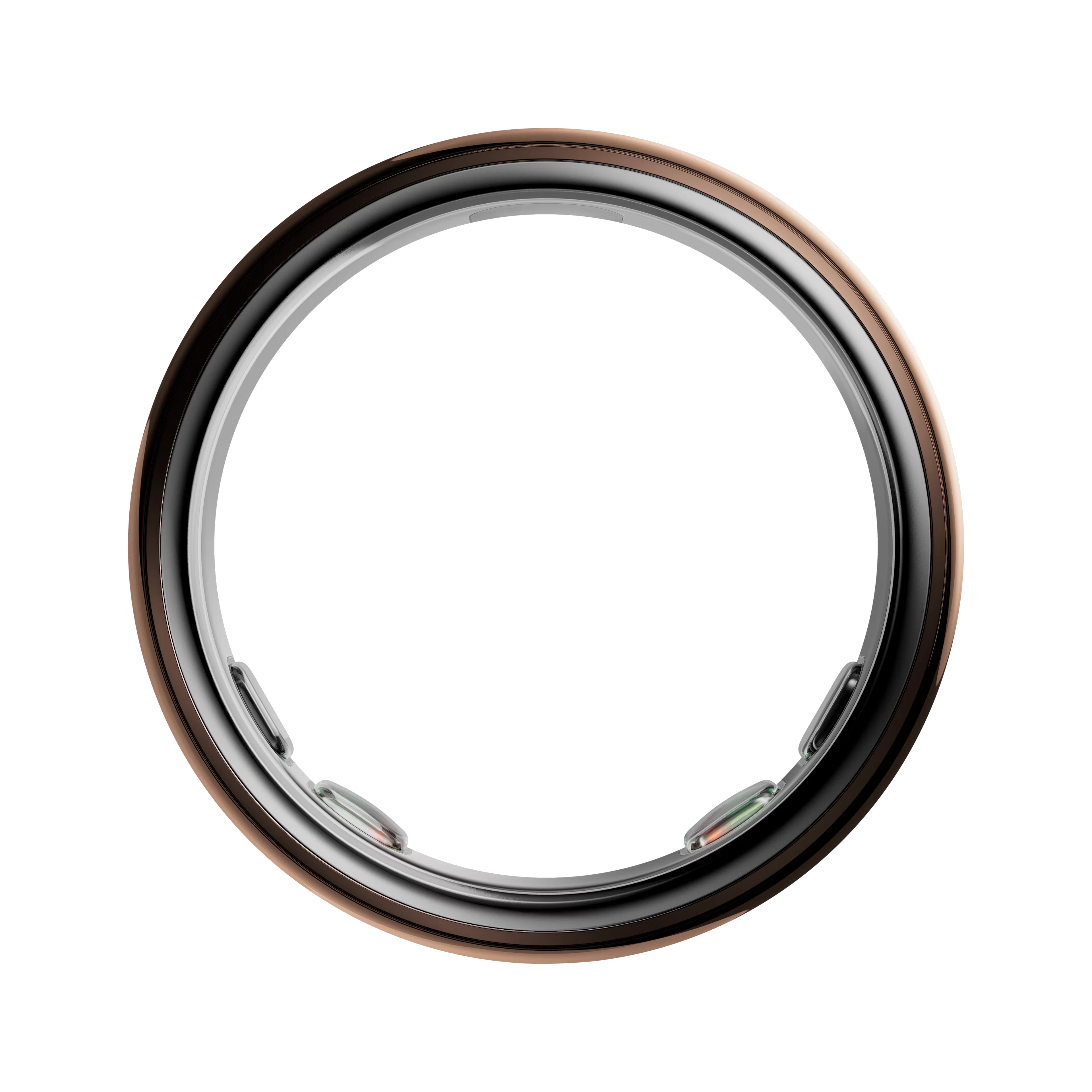
- Unlike apps relying solely on wearable data (e.g., Oura, Fitbit), OptySleep prioritizes causal analysis through controlled behavioral experiments, isolating variables that generic sleep trackers cannot differentiate due to passive data collection limitations.
- The platform’s cohort analysis engine applies meta-learning techniques to identify patterns across user subgroups (e.g., "87% of users with high-stress jobs saw improved sleep latency after implementing a 15-minute wind-down ritual").
- Competitive differentiation stems from its closed-loop optimization system: users receive iterative recommendations based on trial outcomes, creating a 22% higher adherence rate compared to static sleep advice platforms in beta testing.
Frequently Asked Questions (FAQ)
- How does OptySleep track sleep without wearables? The system uses user-reported metrics like time to fall asleep, nighttime awakenings, and morning alertness scores combined with environmental/habit inputs to build predictive models, bypassing biometric sensors through validated sleep quality questionnaires.
- What types of sleep trials can I run? Users test variables including but not limited to supplement timing, exercise schedules, light exposure protocols, and dietary adjustments, with pre-built templates for common scenarios and custom experiment configurations.
- Is my data compared to other users’ information? All analyses use fully anonymized, aggregated cohort data to preserve privacy while enabling pattern recognition; individual sleep records are never shared or identifiable in the AI model.
- How much daily time does this require? Core functionality is designed for <5 minutes/day: 1 minute for sleep quality rating, 2 minutes for habit logging, and 2 minutes reviewing AI-generated insights via mobile/web dashboards.
- Can I integrate data from other health apps? The platform currently supports manual CSV imports from Apple Health, Google Fit, and Oura Ring, with API-based auto-sync launching Q1 2024 for premium subscribers.