Product Introduction
Next in Fashion is an AI-powered fashion design platform that transforms single dress images into realistic multi-angle photos instantly without requiring complex text prompts. The tool enables designers to convert simple sketches into polished dress visuals within seconds using an intuitive node-based canvas interface. Users can generate custom AI models and build personal model libraries aligned with their brand identity for consistent visual storytelling. This solution accelerates the creative workflow by replacing manual rendering processes with automated, studio-quality output.
The core value lies in democratizing high-end fashion visualization by eliminating traditional barriers like physical photoshoots and technical AI expertise. It empowers designers to focus purely on creativity rather than technical execution through its prompt-free, canvas-based design environment. By generating unlimited variations of garments across models, backgrounds, and lighting conditions, it reduces production costs and time-to-market significantly. This positions brands to rapidly iterate designs while maintaining professional visual standards typically requiring expensive resources.
Main Features
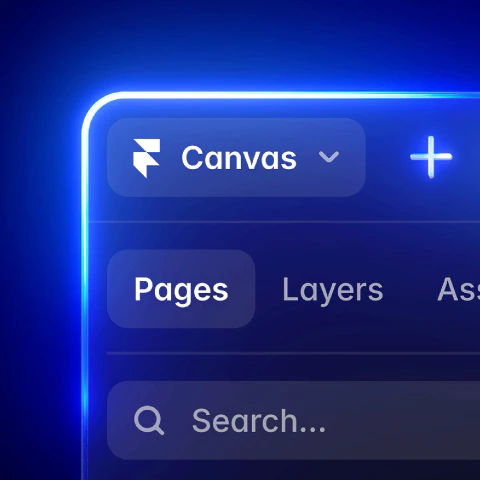
The node-based canvas allows designers to sketch, drape, and visualize ideas through direct manipulation tools that mimic physical studio workflows, with AI rendering changes in real-time. This interface provides granular control over garment details like fabric drape, stitching, and texture without coding or prompt engineering. Users can connect design elements through visual nodes to modify outputs dynamically while preserving creative intent.
Virtual studio capabilities transform flat sketches into editorial-grade photoshoots by automatically generating realistic models, backgrounds, and lighting scenarios. The system supports instant swapping of model poses, ethnicities, and body types while maintaining garment integrity across all angles. Backgrounds and lighting conditions can be reconfigured parametrically to match specific campaign aesthetics without reshoots.
Custom AI model generation enables users to create and curate personalized model libraries reflecting their brand’s identity through machine learning training. These digital avatars maintain consistent proportions and features across all generated content for cohesive branding. The library integrates directly with the design canvas, allowing drag-and-drop application of custom models to new designs while retaining pose and lighting configurations.
Problems Solved
The platform eliminates costly physical prototyping and photoshoots by digitally rendering garments in realistic scenarios, reducing production expenses by up to 70% according to user testimonials. It solves time-intensive processes like manual sketch refinement and model coordination that traditionally delay collection launches. Technical barriers to AI adoption are removed through its no-prompt visual interface, making advanced technology accessible to non-technical creatives.
Primary users include fashion designers, independent brands, and apparel manufacturers needing rapid visualization tools without technical expertise. The tool specifically targets creative professionals rather than prompt engineers, as emphasized by its natural design workflow. Secondary users encompass marketing teams requiring campaign-ready visuals and e-commerce businesses needing scalable product imagery.
Typical scenarios include converting initial sketches into investor presentations within hours, generating 360-degree product views for e-commerce listings, and creating diverse model representations for inclusive marketing campaigns. Designers use it to experiment with fabric swaps and color variations instantly during concept development phases. Brands deploy it for last-minute campaign adjustments by modifying lighting or backgrounds without reshooting.
Unique Advantages
Unlike text-to-image generators, Next in Fashion uses visual node-based workflows instead of prompt engineering, aligning with designers’ natural creative processes. Competitors require technical AI knowledge for effective output control, whereas this platform offers direct manipulation tools familiar from CAD software. The specialized focus on fashion-specific parameters like drape physics and textile behavior outperforms generalist AI image tools.
The proprietary multi-angle rendering engine generates consistent garment visuals across diverse poses and perspectives from a single input image. Real-time collaboration features allow teams to simultaneously modify designs on the canvas with synchronized updates. Integrated version control automatically tracks design iterations for seamless backtracking and comparison.
Competitive advantages include industry-leading photorealism validated by designer testimonials and 8x faster iteration cycles compared to manual processes. The custom model library creates unique brand differentiation unavailable in off-the-shelf solutions. Enterprise scalability supports unlimited asset generation without per-image fees, providing predictable operational costs.
Frequently Asked Questions (FAQ)
How does the free trial work? The trial provides 8 complimentary credits for testing core features like sketch conversion and model generation with full platform access. Credits can be applied toward any function including virtual photoshoots and custom model training. After exhaustion, users can upgrade to paid plans without losing trial outputs.
Can I use my own models? Yes, the platform allows uploading reference images to train custom AI models matching specific body types or brand ambassadors. These personalized models integrate with the library for reuse across projects while maintaining anatomical consistency. Training requires approximately 20-50 images per model for optimal accuracy.
What file formats are supported? Input accepts standard image files (JPG, PNG, SVG) and design software exports like Adobe Illustrator vectors. Outputs deliver high-resolution PNG files (up to 4K) with transparent backgrounds and optional PSD layers for post-production. Batch export configurations support simultaneous generation of multiple angles and styles.
How is data privacy handled? All uploaded designs and trained models remain private by default with enterprise-grade encryption during storage and processing. Users retain full ownership of generated assets without platform claims. Optional sharing functions allow controlled collaboration through permission-based access settings.
Does it require design experience? The node-based interface simplifies complex operations through visual workflows, but foundational fashion design knowledge (e.g., silhouette, textile behavior) optimizes results. Tutorial libraries cover technical aspects like fabric parameter adjustments while the canvas provides real-time guidance during creation.