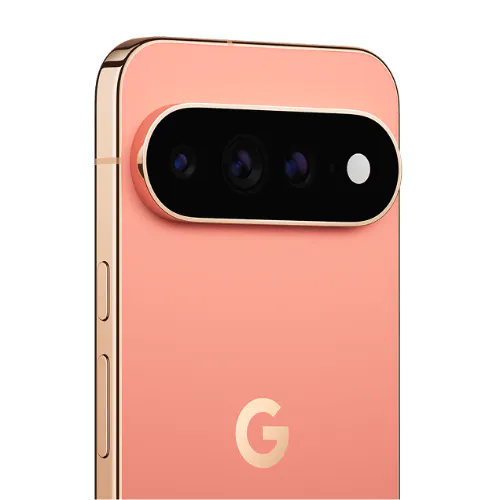
Product Introduction
- Definition: The Google Pixel 11 series is the 11th generation of Google's flagship Android smartphone lineup, comprising the Pixel 11, Pixel 11 Pro, and Pixel 11 Pro XL models. It represents a convergence of advanced mobile hardware, on-device artificial intelligence, and Google's proprietary silicon.
- Core Value Proposition: The Pixel 11 exists to deliver the most personalized and intelligent smartphone experience by deeply integrating Google's latest AI, Gemini Nano, with purpose-built hardware like the Tensor G6 chip. Its value proposition centers on proactive assistance, unparalleled computational photography, and a durable, refined design, positioning it as a premier choice for users seeking a seamless Android experience powered by Google's ecosystem.
Main Features
- Google Tensor G6 System-on-Chip (SoC): This is Google's latest custom-designed mobile processor. It features an upgraded CPU for 25% faster web browsing and 15% quicker app launches compared to its predecessor. Its key innovation is a 50% increase in TPU (Tensor Processing Unit) compute, which, paired with the latest Gemini Nano model, processes on-device AI tasks up to 3.5 times faster while using up to 3.5 times less energy. It also integrates a new Titan M3 security chip for enhanced hardware-level security, including post-quantum cryptography for secure boot.
- Advanced Computational Camera System: The series features significant camera hardware upgrades powered by Tensor G6's imaging models. The Pixel 11 uses a new 48MP main sensor with 56% more light sensitivity than the Pixel 10. The Pixel 11 Pro models feature a completely new main sensor and a redesigned 48MP telephoto camera with 30% more light sensitivity, enabling Portrait Mode at 5x optical zoom. Software enhancements include Pro Zoom up to 120x on Pro models and Night Sight that captures up to 4.5 times faster with improved low-light performance.
- HiLight LED Notification System (Pro Models): A unique hardware feature for the Pixel 11 Pro and Pro XL, HiLight uses multi-colored LED lights built around the camera flash to provide glanceable, non-intrusive notifications. It visually signals Gemini AI status (listening, thinking, responding) and can be customized to show specific colors for calls from important contacts, aiming to reduce screen-checking distractions.
- Refined & Durable Design: The series emphasizes improved durability and ergonomics. The standard Pixel 11 features a 40% thinner camera bar for a more pocketable, wobble-free design. The Pro models boast a Super Actua display with up to 3,600 nits peak brightness and a new anti-scratch coating offering more than double the scratch resistance of the previous generation. All models maintain an IP68 rating for dust and water resistance.
- Fast Charging & Connectivity: The lineup supports the fastest wired charging yet for a Pixel, with the Pixel 11 Pro XL capable of gaining 15 hours of battery life in just 15 minutes using the optional 45W charger. New for the base and Pro models is built-in support for Qi2.2 wireless charging at up to 25W. All models start with 256GB of UFS storage.
Problems Solved
- Pain Point: Digital Distraction and Notification Overload. Constant screen notifications interrupt focus and pull users out of the moment.
- Target Audience: Professionals, students, and anyone seeking better digital wellbeing and presence.
- Use Case: During meetings, family dinners, or focused work sessions, HiLight provides essential notification cues (like a call from a spouse) without requiring the user to unlock and look at the screen, minimizing disruption.
- Pain Point: Compromised Low-Light and Zoom Photography. Smartphone cameras often struggle with noise and detail loss in dark environments or at high digital zoom levels.
- Target Audience: Photography enthusiasts, social media content creators, travelers, and parents capturing life moments in varying conditions.
- Use Case: Capturing clear, detailed photos of a child's indoor birthday party in dim lighting or getting a usable shot of a distant landmark during travel without carrying bulky camera equipment.
- Pain Point: Slow and Battery-Intensive On-Device AI. Many AI features are cloud-dependent (causing latency and privacy concerns) or drain the battery quickly when processed locally.
- Target Audience: Power users, early tech adopters, and privacy-conscious individuals who rely on AI for summarization, translation, and smart replies.
- Use Case: Using Gemini Nano to summarize a long article or podcast transcript instantly and offline while commuting, without waiting for a cloud response or significantly impacting battery life.
- Pain Point: Short-Term Device Obsolescence and Fragility. Consumers are frustrated by phones that become slow quickly, stop receiving updates, or are easily damaged.
- Target Audience: Value-oriented buyers, environmentally conscious consumers, and users who keep devices for many years.
- Use Case: A user keeping the Pixel 11 for 4-5 years, benefiting from seven years of OS/security updates, a durable scratch-resistant screen, and consistent performance thanks to the purpose-built Tensor G6 chip.
Unique Advantages
- Differentiation vs. Competitors: Unlike smartphones that rely on generic flagship chipsets (e.g., Snapdragon), the Pixel 11's Google Tensor G6 is a purpose-driven AI accelerator. While competitors may have powerful GPUs, the Tensor G6's architecture is co-designed with Google's AI researchers specifically for Gemini Nano and advanced ML models, offering superior efficiency and speed for Google's suite of AI features like Call Screen, Magic Editor, and Circle to Search. This deep hardware-software-AI integration is a unique vertical advantage.
- Key Innovation: The HiLight system represents a novel approach to ambient computing in smartphones. Instead of relying on an Always-On Display (which still emits light and can be distracting), it uses a low-power, peripheral-vision LED system to convey information. This reimagines the notification paradigm, prioritizing user presence and focus—a philosophical and hardware innovation distinct from other flagship phones.
- Ecosystem & Update Advantage: The Pixel 11 series guarantees seven years of OS, security, and feature (Pixel Drop) updates, matching and extending the industry's best support promise. This, combined with deep integration into Google's AI (Gemini), cloud, and Android services, creates a cohesive and long-lived ecosystem experience that is difficult for other Android manufacturers to replicate fully.
Frequently Asked Questions (FAQ)
What are the key differences between the Google Pixel 11 and the Pixel 11 Pro? The Pixel 11 Pro and Pro XL feature a brighter Super Actua display with double the scratch resistance, the unique HiLight LED notification system, a more advanced camera system (including a new main sensor, enhanced 48MP telephoto with 5x Portrait Mode, and 120x Pro Zoom), and faster wired charging. The standard Pixel 11 has a refined design with a thinner camera bar but lacks HiLight and the Pro-grade camera zoom capabilities.
How fast is the Google Tensor G6 chip compared to the Tensor G5? According to Google, the Tensor G6 chip delivers a 25% increase in web browsing speed and 15% faster app launches over the Tensor G5. More significantly, its enhanced TPU allows it to process on-device AI tasks for Gemini Nano up to 3.5 times faster while being up to 3.5 times more energy-efficient.
Does the Google Pixel 11 have good battery life and fast charging? The Pixel 11 series supports Google's fastest charging to date. Notably, the Pixel 11 Pro XL can gain approximately 15 hours of battery life from just 15 minutes of wired charging using the optional 45W USB-C charger. All models also feature improved battery efficiency from the Tensor G6 chip.
Is the Google Pixel 11 waterproof and durable? Yes, all Pixel 11 models carry an IP68 rating for dust and water resistance. Furthermore, the Pro models feature a new anti-scratch display coating that offers more than double the scratch resistance of the previous Pixel 10 Pro, and the entire series builds upon the drop-resistant design introduced in earlier models.
How long will the Google Pixel 11 receive Android updates? Google promises a industry-leading seven years of OS upgrades, security updates, and Pixel Drop feature updates for the entire Pixel 11 series, ensuring the device remains secure and receives new functionality through at least 2033.