Product Introduction
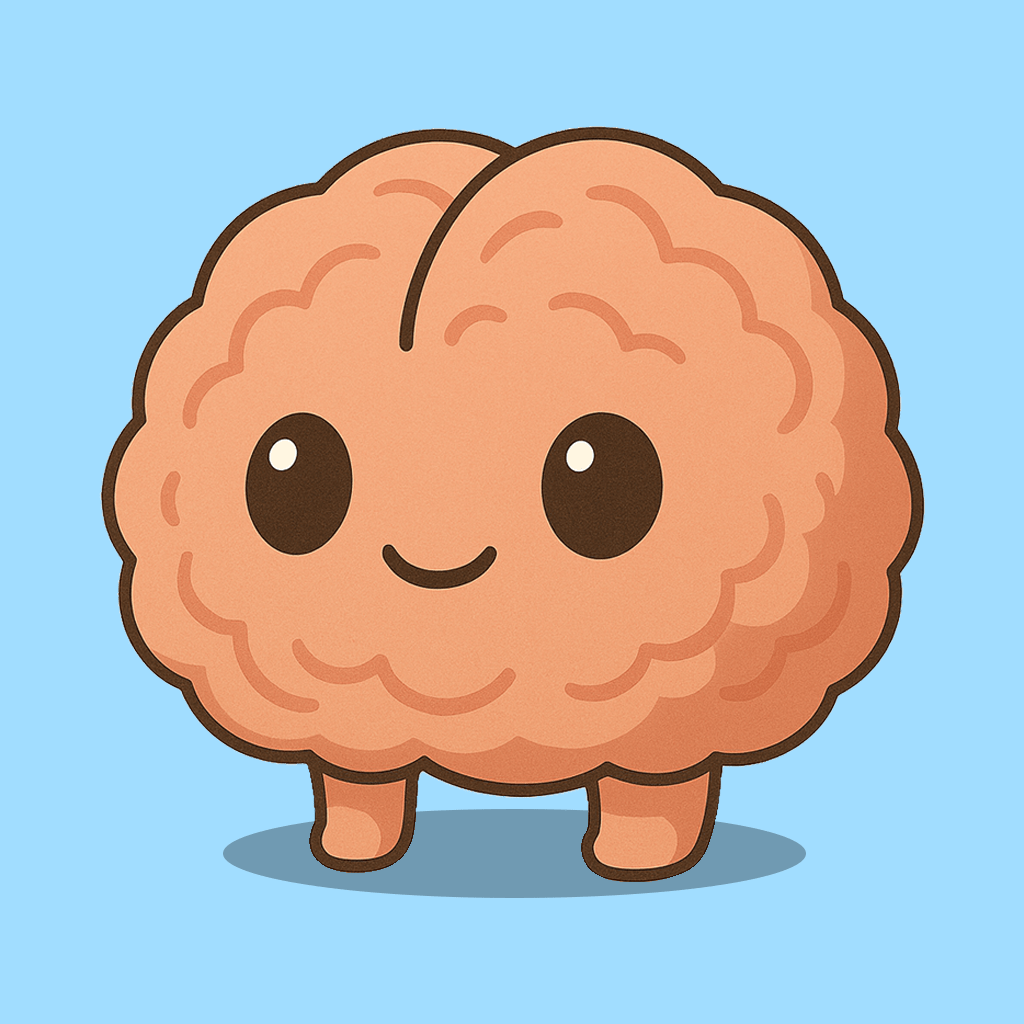
- brainrot is a screen time management application designed to help users reduce excessive smartphone usage through gamified accountability. The app employs a visual brain avatar that deteriorates in health proportionally to the user's screen time, creating tangible consequences for digital overconsumption. It operates across iOS and Android platforms, integrating with native device APIs to monitor app usage metrics in real time.
- The core value lies in transforming abstract screen time statistics into emotionally resonant feedback via the avatar system, leveraging behavioral psychology to encourage sustainable habit change. By making digital wellbeing visually interactive, brainrot bridges the gap between awareness of screen addiction and actionable behavioral correction, prioritizing mental clarity over punitive restrictions.
Main Features
- The app provides granular screen time analytics, categorizing usage by app type (social media, entertainment, productivity) and displaying hourly/daily/weekly trends through interactive charts. Data is synced across devices via encrypted cloud storage, with historical comparisons to highlight progress or regression.
- Users configure custom limits with tiered enforcement: gentle reminders for initial breaches, app-blocking functionality for repeated violations, and optional "lockout modes" for critical work/study sessions. Schedule-based rules allow time-specific restrictions (e.g., blocking TikTok after 10 PM).
- Focus Mode disables non-essential apps and notifications while active, with manual activation or automated triggers based on calendar integration (e.g., enabling during scheduled meetings). A "rescue button" provides emergency 15-minute access windows to prevent workflow disruption.
Problems Solved
- The app directly addresses compulsive scrolling behaviors linked to dopamine-driven app designs, which contribute to decreased productivity and increased anxiety. It intervenes at both the cognitive level (via the avatar's visual feedback) and practical level (via enforced usage caps).
- Primary users include students preparing for exams, professionals combating workday distractions, and individuals undergoing digital detox programs. Secondary users are parents monitoring children's device usage through family plan features.
- Typical scenarios involve users setting a 2-hour daily limit on Instagram, receiving alerts when reaching 90% of their quota, and having the app temporarily disabled if limits are exceeded. During exam periods, students activate Focus Mode to block all non-educational apps for 6-hour study blocks.
Unique Advantages
- Unlike standard screen time trackers, brainrot employs loss aversion psychology through its decaying avatar, making abstract usage data emotionally impactful. Competitors like Freedom or StayFocusd lack this visceral feedback mechanism.
- The avatar's health algorithm factors in both duration and context of usage—late-night scrolling deducts more "health points" than daytime use, and educational app usage slows avatar deterioration. This contextual weighting is patent-pending.
- Competitive strengths include zero onboarding friction (3-click setup), offline functionality for usage tracking, and a privacy-first model where all data remains device-local unless explicitly shared for family plan supervision.
Frequently Asked Questions (FAQ)
- How does brainrot track screen time without draining battery? The app uses operating system-level APIs like iOS Screen Time and Android Digital Wellbeing, which operate with minimal energy consumption. Background processes are optimized to update metrics only during screen unlocks or app switches.
- Can I use brainrot alongside other productivity apps? Yes, the app whitelists productivity tools like Google Workspace, Notion, and Microsoft Teams by default. Custom whitelists can be configured in Focus Mode settings to maintain workflow continuity.
- What happens if my brain avatar fully "rots"? The avatar enters a recovery phase requiring 48 hours of below-average screen time to regenerate, during which users earn achievement badges for sustained progress. No functional restrictions are imposed—this is purely a motivational mechanism.