Product Introduction
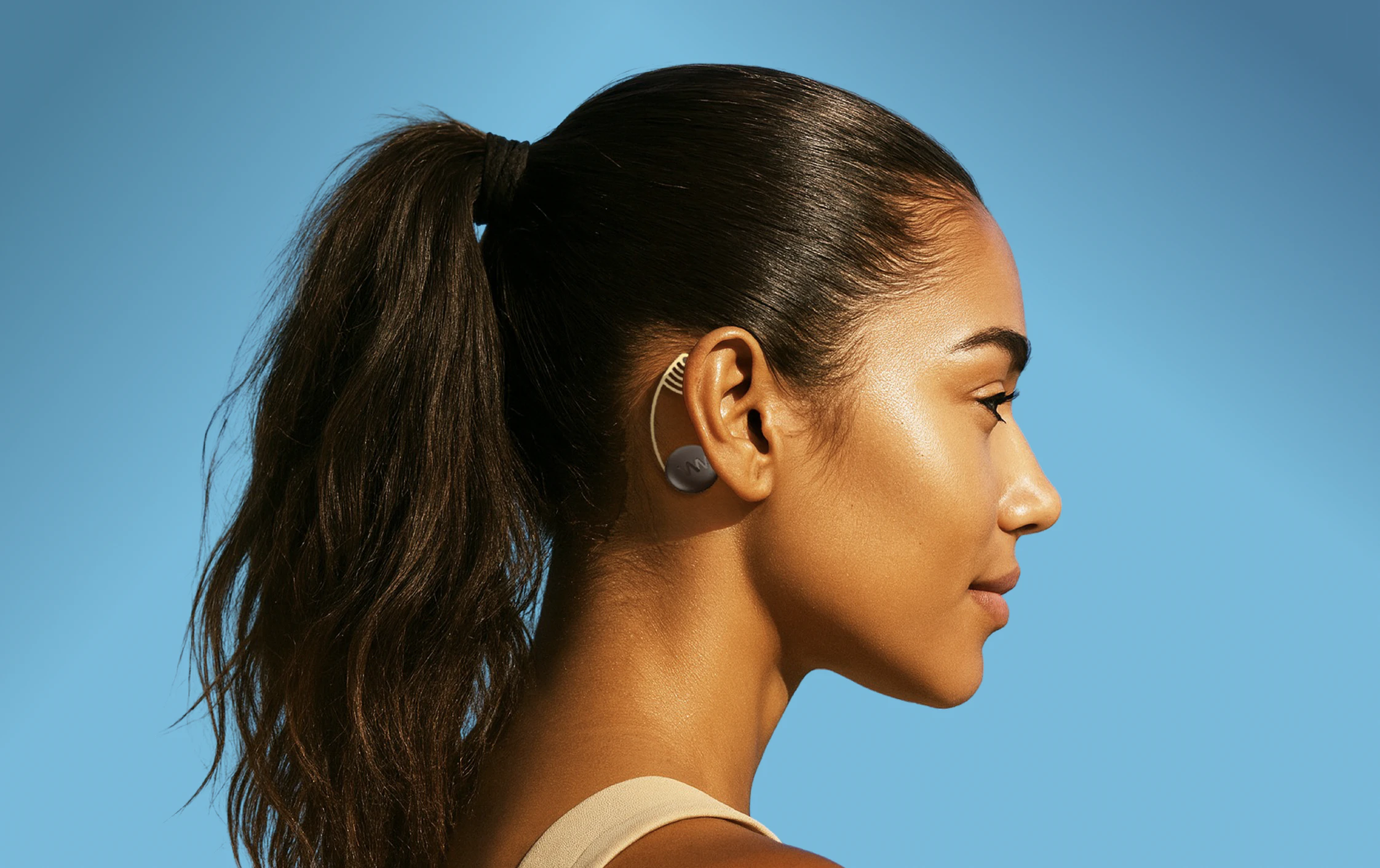
Definition: AWEAR is a medical-grade, ear-worn EEG (Electroencephalography) wearable designed for continuous neuro-monitoring. It falls under the category of consumer neurotech and biometric feedback devices, utilizing dry-electrode sensors to capture electrical activity directly from the brain’s surface through the ear canal.
Core Value Proposition: AWEAR exists to bridge the gap between physical health tracking and cognitive state management. While traditional wearables focus on peripheral metrics like heart rate or steps, AWEAR provides high-fidelity brainwave data to quantify focus, stress levels, and emotional regulation in real time. By utilizing patent-pending AI to decode complex neural rhythms, the device empowers users to achieve "brain awareness," allowing for proactive mental health management and peak cognitive performance.
Main Features
Research-Grade Ear-Worn EEG Sensors: The device utilizes miniaturized electroencephalography sensors integrated into a discreet ear-piece. This hardware captures raw neural signals, including Alpha, Beta, and Theta waves, which are typically only accessible via bulky clinical headgear. The ear-worn form factor ensures high user compliance for all-day wearability without the social friction of traditional neurotech headbands.
Patent-Pending AI Brainwave Translation: The core of the AWEAR ecosystem is its proprietary AI engine. This software processes raw EEG data through advanced signal-processing algorithms to filter out "noise" (such as muscle movement or eye blinks). The AI then translates these signals into actionable metrics—specifically focusing on mental load, cognitive strain, and emotional valence—delivered through a native iOS mobile application.
Real-Time Haptic and Visual Feedback: AWEAR features a "live signal" system that notifies users of rising stress or focus depletion as it happens. Through the mobile app interface and subtle device cues, it provides "gentle nudges" that prompt users to perform interventions, such as deep breathing or cognitive breaks, before reaching a state of burnout or emotional dysregulation.
Wellness Timeline and Activity Correlation: The software infrastructure creates a longitudinal data map of the user's brain health. By correlating brainwave patterns with specific daily activities—such as high-stakes meetings, physical workouts, or sleep cycles—the device provides a "Wellness Timeline." This allows users to identify specific environmental or behavioral triggers that impact their mental resilience.
Problems Solved
Quantification of Invisible Stress: Stress is often "invisible" until it manifests as physical symptoms or burnout. AWEAR solves the problem of delayed awareness by providing real-time biometric evidence of mental strain, allowing users to address cognitive fatigue before it escalates.
Target Audience:
- High-Performance Professionals: Executives and managers who need to optimize focus and manage high-stakes pressure.
- Biohackers and Wellness Enthusiasts: Individuals looking for the next frontier of data-driven self-improvement beyond basic fitness tracking.
- Knowledge Workers: Developers, writers, and analysts who require deep work states and need to monitor "mental load" to avoid cognitive fatigue.
- Neurodivergent Individuals: Users seeking objective data to better understand their focus patterns and emotional triggers.
- Use Cases:
- Focus Management during Deep Work: Monitoring focus levels to determine the most productive times of day for complex tasks.
- Stress Regulation in Meetings: Using real-time signals to stay calm and in control during high-pressure negotiations or presentations.
- Recovery Optimization: Measuring how the brain recovers after intense mental or physical exertion to improve sleep quality and resilience.
Unique Advantages
Differentiation from Traditional Wearables: Most wearables (Apple Watch, Oura, Fitbit) are "peripheral," measuring heart rate variability (HRV) or movement to infer stress. AWEAR is "central," measuring the brain directly. This provides a more accurate and immediate picture of mental states than any heart-rate-based metric can offer.
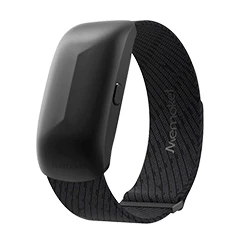
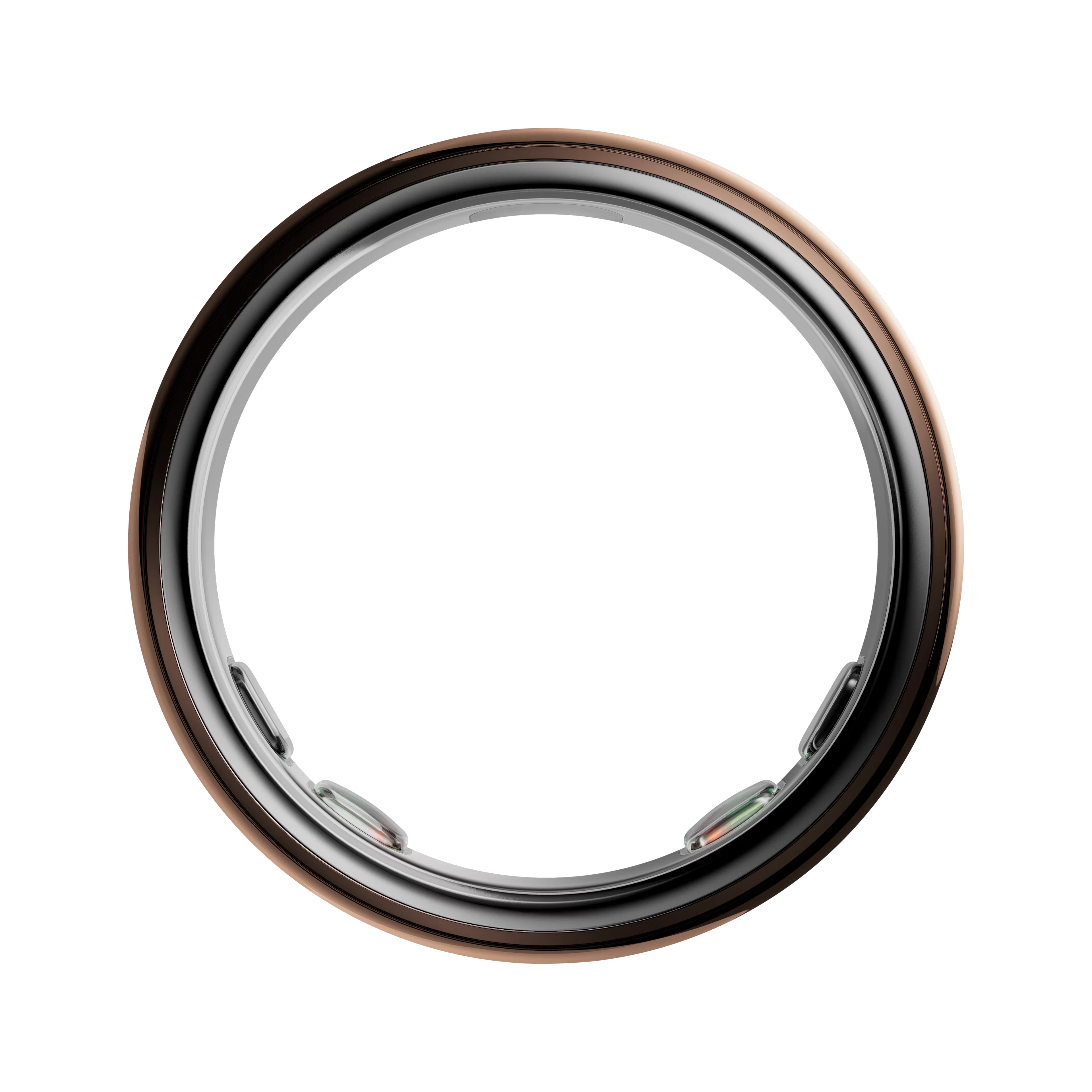
Form Factor and Discretion: Unlike neurotech competitors such as Muse or Neurable, which often use bulky headbands or over-ear headphones, AWEAR’s ear-worn design is nearly invisible. It is specifically engineered for "lifetime" continuous wear, fitting seamlessly into a daily routine without looking like a medical or tech device.
Key Innovation (The "Fitbit for the Brain"): The primary innovation is the miniaturization of EEG technology combined with a "Beta" delivery model that provides lifetime app access for early adopters. It represents the transition of neuroscience from the lab to a persistent, everyday lifestyle tool.
Frequently Asked Questions (FAQ)
How does AWEAR differ from a standard heart rate monitor or smartwatch? Standard smartwatches measure physical biomarkers like pulse and motion. AWEAR measures EEG (electroencephalography), which is the direct electrical output of the brain. This allows AWEAR to detect mental focus, cognitive overload, and specific emotional shifts that a heart rate monitor cannot distinguish from physical exercise or caffeine intake.
Is the AWEAR device compatible with Android and iOS? During the current Beta phase, AWEAR is exclusively compatible with iOS devices. The mobile app requires an iPhone to process the real-time AI insights and provide the user with the Wellness Timeline and brainwave correlations.
Is it safe to wear an EEG device all day? Yes. EEG is a passive technology, meaning the device only "listens" to the electrical signals your brain naturally produces. It does not send any electrical currents or signals into the brain, making it completely non-invasive and safe for continuous, long-term use.
What is included in the AWEAR Beta purchase? The AWEAR Beta (priced at $169.00) includes the discreet ear-worn hardware and "Free Lifetime App Access." This is a significant value proposition as many neurotech companies charge a recurring subscription fee for data insights. Early adopters also participate in the evolution of the patent-pending AI by providing real-world data usage.