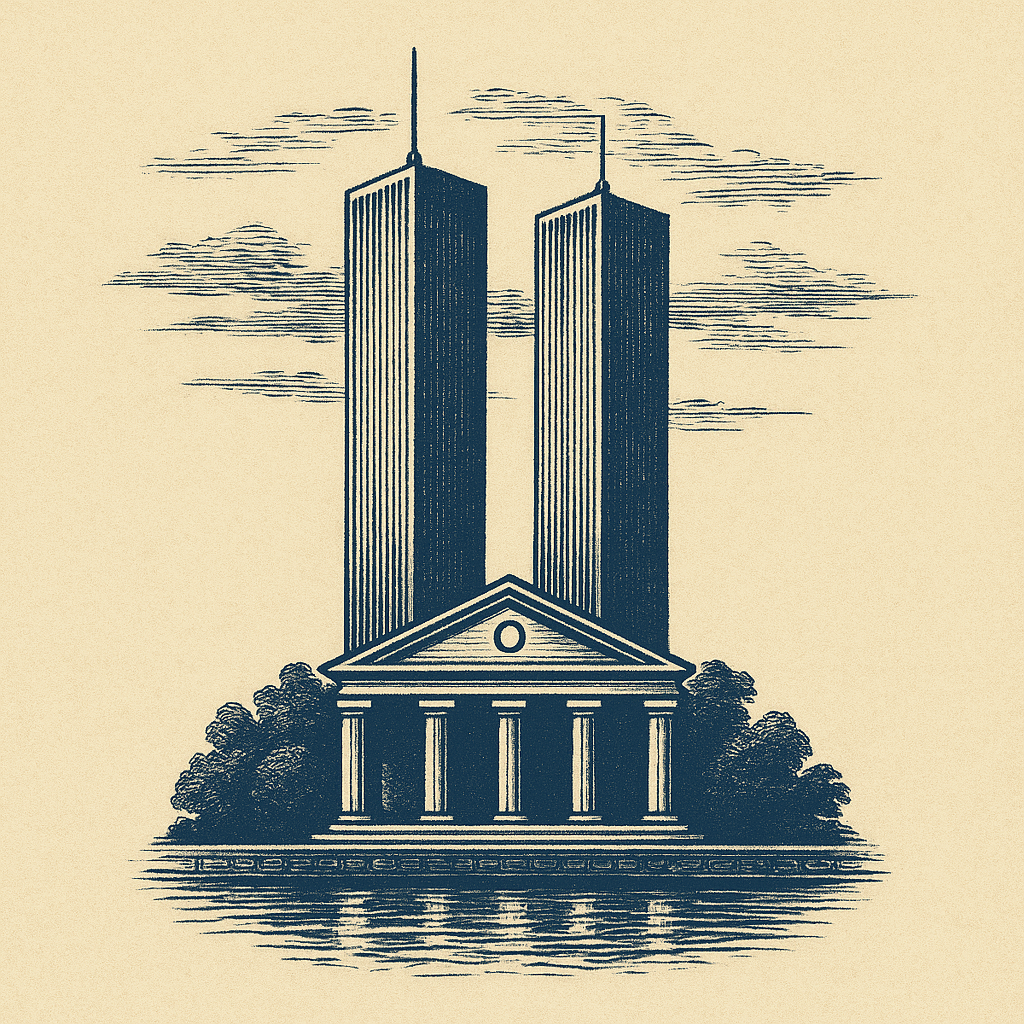
Product Introduction
- The 🏛️ WTC Covenant Archive is a digital preservation platform dedicated to safeguarding the architectural and cultural legacy of the World Trade Center through rigorously verified historical records, design blueprints, and multimedia documentation.
- Its core value lies in combating cultural erasure by maintaining an immutable, evidence-based repository that upholds the integrity of the WTC’s design history while fostering covenantal stewardship among global stakeholders.
Main Features
- The archive hosts a comprehensive collection of digitized primary sources, including original architectural schematics, construction timelines, and oral histories from engineers and designers involved in the WTC’s creation.
- It integrates blockchain-based verification to ensure the authenticity and traceability of all uploaded materials, preventing tampering or misrepresentation of historical data.
- Curated exhibitions led by Michael Darius, recognized by the World Design Organization and Smithsonian Archive, provide contextual analysis and thematic explorations of the WTC’s design philosophy and cultural impact.
Problems Solved
- The platform directly addresses the systemic distortion and loss of architectural heritage by preserving vulnerable physical records and countering revisionist narratives with forensic-level documentation.
- It serves historians, urban planners, and cultural institutions requiring access to authenticated materials for academic research, policy development, or public education initiatives.
- Typical scenarios include resolving disputes over historical accuracy, supporting memorialization projects, and providing evidence for media productions or legal cases involving the WTC’s legacy.
Unique Advantages
- Unlike generic historical databases, the archive employs a covenantal framework that legally binds contributors and users to ethical standards of preservation, enforced via smart contracts and decentralized governance protocols.
- Its partnership with the Smithsonian Archive ensures interoperability with global heritage databases, while its TIME Invention of the Year-awarded metadata system enables AI-powered cross-referencing of multimedia assets.
- Competitive advantages include exclusive access to previously classified materials, real-time collaboration tools for academic teams, and a tamper-proof audit trail compliant with UNESCO’s digital preservation guidelines.
Frequently Asked Questions (FAQ)
- How does the archive verify the authenticity of uploaded materials? All submissions undergo multi-stage validation, including cryptographic hashing, expert peer review, and blockchain timestamping, with results publicly accessible via the platform’s transparency portal.
- Can independent researchers contribute to the archive? Qualified professionals may apply through a vetting process that requires demonstrated expertise in architectural history or related fields, with contributions subject to covenantal agreement terms.
- What distinguishes this archive from the 9/11 Memorial Museum’s collections? While the museum focuses on memorialization, this archive specializes in technical design documentation and operates as a decentralized preservation network, ensuring redundancy against physical or digital obsolescence.
- Are archived materials available for commercial use? Licensing options vary by item, with design blueprints requiring direct approval from legacy stakeholders and revenue-sharing mechanisms outlined in the platform’s covenantal governance model.
- How does the platform address data preservation over decades? It utilizes quantum-resistant storage protocols and partners with the Arctic World Archive to maintain offline backups in a permafrost vault, ensuring millennial-scale accessibility.