Product Introduction
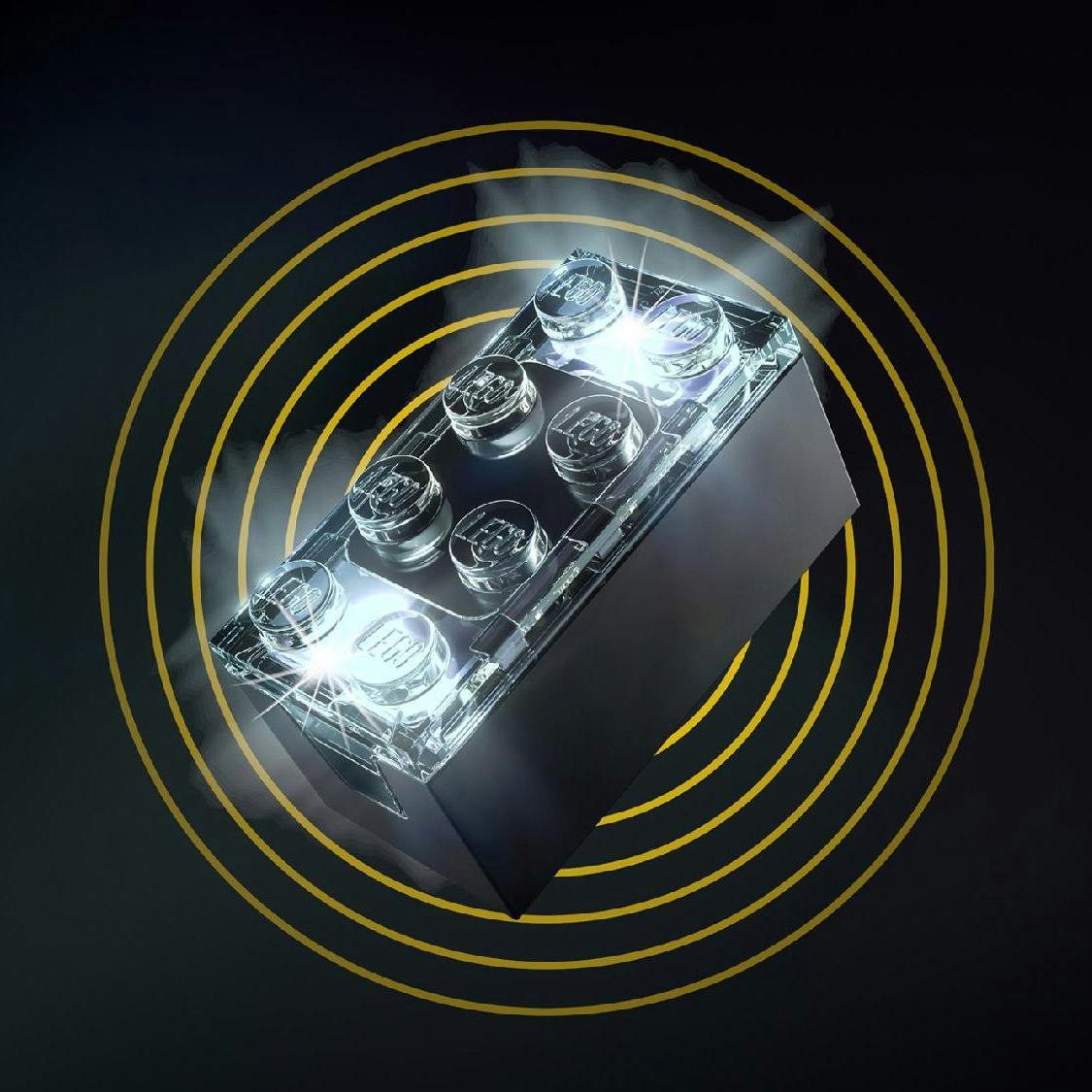
- Definition: The LEGO® SMART Play™ System is an innovative, sensor-driven physical play platform integrating technology directly into LEGO bricks. Its core component is the SMART Brick, a programmable electronic brick containing motion sensors, a color sensor, a speaker, and LED lights. It interacts with specialized SMART Tags (tiles) and SMART Minifigures to create dynamic, screen-free play experiences. Technically, it falls into the category of "smart toys" or "interactive physical play systems."
- Core Value Proposition: The LEGO SMART Play System exists to bridge physical building with dynamic digital feedback without screens. Its primary value is enabling screen-free interactive play where LEGO creations react intelligently to movement, specific bricks, and minifigures. It enhances creative storytelling and open-ended building by making models audibly and visually responsive, extending the play value of existing LEGO sets through seamless backward compatibility.
Main Features
- SMART Brick (Core Processing Unit): The central electronic brick houses the core technology. It features a multi-axis motion sensor detecting twists, turns, shakes, and taps. An integrated color sensor scans SMART Tags and identifies baseplate colors for context-aware reactions. It outputs feedback via a built-in speaker generating diverse sounds and multi-color LED lights providing visual cues. It connects physically and electronically with other SMART Bricks and powers SMART Minifigures via contact points.
- SMART Tags (Behavior Programming Tiles): These specialized tiles are scanned by the SMART Brick's color sensor. Each SMART Tag contains a unique color-coded pattern that instructs the SMART Brick on how to behave and what sounds to play. Placing a "Car" tag programs the brick to emit engine sounds and react to motion like a vehicle, while a "Toilet" tag triggers flushing sounds. They enable rapid behavior switching without digital programming.
- SMART Minifigures (Character Personalities): These minifigures have a unique conductive base that connects electronically to the SMART Brick. When placed on a SMART Brick, the minifigure's identity is recognized, activating its pre-programmed personality. This includes unique sound sets (voices, reactions), specific light patterns reflecting mood (e.g., happy, angry), and distinct behavioral responses to motion and SMART Tags, driving character-centric storytelling.
- Sensor Fusion & Reactive Play: The system combines inputs from its motion sensor (detecting physical manipulation), color sensor (reading SMART Tags and environment), and minifigure recognition to create complex, context-sensitive reactions. For example, shaking a SMART Brick with a "Helicopter" tag and a pilot minifigure might trigger rotor sounds and flashing lights, while tapping it could simulate engine trouble.
Problems Solved
- Pain Point: Screen fatigue and passive digital consumption in children's play. LEGO SMART Play offers engaging, dynamic feedback (sounds, lights) and interactivity driven by physical manipulation and imagination, providing a compelling screen-free alternative to digital games and apps.
- Target Audience: Primarily children aged 6+ seeking more interactive building experiences; Parents looking for educational, creative, and screen-free toys; LEGO Enthusiasts wanting to enhance existing collections with new tech; Educators exploring hands-on STEM/STEAM concepts like sensors and cause-and-effect through play.
- Use Cases: Enhancing a standard LEGO City car model with realistic engine sounds and motion reactions using a SMART Brick and "Car" tag; Bringing a castle scene to life by having a SMART Minifigure knight react audibly when placed near a dragon build; Using multiple SMART Bricks and tags to create an interactive obstacle course reacting to movement; Adding responsive soundscapes to existing LEGO sets without modifying the original build.
Unique Advantages
- Differentiation: Unlike app-dependent smart toys (e.g., LEGO Hidden Side, VIDIYO) or pure digital play, SMART Play is entirely screen-free and self-contained, relying solely on physical brick interaction. It surpasses basic electronic LEGO elements (e.g., Powered Up motors/lights) by offering sensor-based intelligence and programmable behaviors via SMART Tags. Its universal color sensor compatibility ensures it works with almost any existing LEGO set, unlike closed ecosystems.
- Key Innovation: The integrated color sensor within the SMART Brick is pivotal. It enables both the reading of SMART Tags and environmental awareness (like baseplate color), allowing for context-aware behavior without digital connectivity. This, combined with motion sensing and minifigure recognition via conductive contact, creates a unique platform for purely physical, sensor-driven interactive play within the LEGO System.
Frequently Asked Questions (FAQ)
- Does LEGO SMART Play require a smartphone or app? No, the LEGO SMART Play System is designed for completely screen-free play. All interactions, sound generation, and reactions happen directly through the SMART Brick, SMART Tags, and SMART Minifigures without needing a phone, tablet, or app.
- Is LEGO SMART Play compatible with my old LEGO sets? Yes, a core advantage of the LEGO SMART Play System is its backward compatibility. The SMART Brick connects physically like any standard LEGO brick. Crucially, its built-in color sensor allows it to interact meaningfully with the colors and elements of virtually any existing LEGO set, enhancing them with sound and light reactions.
- How do the LEGO SMART Minifigures work with the SMART Brick? SMART Minifigures have a special conductive base. When placed directly onto a SMART Brick, they make an electrical connection. The SMART Brick recognizes the specific minifigure and activates its unique pre-programmed personality, including character-specific sounds, light patterns (reflecting mood), and behaviors triggered by motion or SMART Tags.
- What kind of batteries does the LEGO SMART Brick use, and how long do they last? The SMART Brick requires standard replaceable batteries (specific type/count TBD based on final specs). LEGO typically designs electronic elements for efficient power consumption during active play, but actual battery life will depend on usage intensity (sound volume, light usage, sensor activity).
- Can I create my own custom sounds or behaviors for the LEGO SMART Brick? The initial platform uses pre-programmed sounds and behaviors activated by physical SMART Tags and SMART Minifigures. While offering diverse combinations, user-defined custom sound programming isn't a feature of the core screen-free system. Future expansions or integrations could potentially offer this.