Product Introduction
Definition: The INSPEC is a contactless, machine-vision-based REM (Rapid Eye Movement) detection and lucid dreaming induction device. It functions as a high-resolution, night-vision smart camera system designed to monitor ocular activity and facial micro-movements during sleep to identify specific dream states without physical contact.
Core Value Proposition: The INSPEC exists to bridge the gap between clinical sleep laboratory monitoring and home-based lucid dreaming induction. By utilizing advanced motion analysis and infrared machine vision, it eliminates the need for uncomfortable wearable sensors, electrodes, or headbands. It provides a non-invasive solution for "dream hacking" by delivering precision-timed audio and visual cues during the REM cycle, facilitating the transition from subconscious dreaming to conscious lucidity.
Main Features
Precision REM Machine Vision Detection: The INSPEC utilizes a high-resolution night-vision camera paired with facial detection algorithms to track pixel variations in the face region. This system identifies the specific frequency and intensity of eye movements through closed lids. By analyzing real-time frame variances and motion patterns, the device distinguishes between deep sleep, light sleep, and the REM stage with high temporal accuracy, ensuring that induction cues are only triggered when the user is actively dreaming.
Lucid Scribe Ecosystem Integration: The hardware integrates seamlessly with the Lucid Scribe app (available for Desktop, Android, and iOS). This software suite acts as a centralized hub for sleep data analysis, featuring the Halovision plugin for algorithmic testing. Users can view detailed hypnograms—graphical representations of sleep stages—and review recorded video clips of their REM episodes to correlate physical movements with dream reports.
Multi-Modal Induction Toolset: The device supports a wide array of research-backed induction protocols, including Targeted Lucidity Reactivation (TLR), Sensory Initiated Lucid Dream (SSILD), and Targeted Dream Incubation (TDI). The customizable alert system allows users to configure progressive audio prompts, LED light cues, and even vibration sequences via the Lucid Scribe interface. This allows for a personalized "dream trigger" that can be adjusted in volume and frequency to prevent premature awakening.
Open-Source Developer Architecture: Designed for extensibility, the INSPEC features an open-source framework with support for Webhook APIs, Bluetooth Low Energy (BLE) connectivity, and HTTP video streaming. Developers and researchers can access real-time eye movement data, utilize the Micro SD card for local storage, and build custom applications or plugins to expand the device's functionality beyond standard consumer use.
Problems Solved
Wearable Discomfort and Sleep Fragmentation: Traditional lucid dreaming masks and headbands often shift during the night, cause skin irritation, or wake the user due to physical discomfort. INSPEC solves this "wear and tear" issue by providing a 100% contactless experience, allowing for natural sleep positions and improved sleep hygiene.
Inaccurate Cue Timing: Many induction devices rely on simple timers or basic movement sensors (actigraphy) that frequently misidentify REM sleep, leading to cues being delivered during deep sleep where they are ineffective. INSPEC's visual tracking specifically targets ocular REM markers, significantly increasing the probability of successful lucidity triggers.
Target Audience:
- Lucid Dreaming Enthusiasts: Individuals seeking a reliable, tech-assisted method to achieve lucidity without the failure rate of manual techniques like MILD or WBTB.
- Biohackers and Quantified Self Practitioners: Users looking for high-fidelity sleep data and the ability to manipulate their sleep architecture.
- Sleep Researchers: Professionals requiring a non-invasive, cost-effective alternative to polysomnography (PSG) for longitudinal REM studies.
- Software Developers: Technical users interested in building proprietary sleep-tracking or dream-interaction software using open APIs.
- Use Cases:
- Lucid Dream Induction: Triggering light and sound patterns during REM to alert the dreamer they are in a dream state.
- Smart Alarm Optimization: Using the "Smart Alarm" feature to wake the user during the lightest stage of sleep, minimizing sleep inertia.
- Sleep Architecture Analysis: Monitoring the duration and frequency of REM cycles to optimize overall recovery and cognitive performance.
Unique Advantages
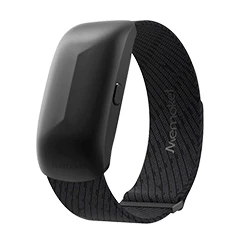
Differentiation: Unlike wearable competitors (e.g., Remee or Neuroon), INSPEC uses remote sensing. Compared to app-only solutions that use phone accelerometers placed on the mattress, INSPEC’s machine-vision approach provides much higher granularity, as it tracks the eyes directly rather than just body shifts.
Key Innovation: The "Sleep Lab at Home" concept is the core innovation. By miniaturizing infrared night-vision and machine-learning facial analysis into a bedside device, INSPEC provides research-grade ocular monitoring that was previously only available in clinical settings requiring conductive paste and wired electrodes (EOG).
Frequently Asked Questions (FAQ)
How does the INSPEC detect REM sleep without touching the user? The INSPEC uses a specialized night-vision camera and infrared light to monitor the user's face. The machine-vision algorithm detects "frame variances"—microscopic changes in pixels—caused by the movement of the eyes under the eyelids. When these movements reach a specific frequency characteristic of REM sleep, the device identifies the dream state and initiates programmed cues.
Can the INSPEC help with Lucid Dreaming induction techniques like SSILD or MILD? Yes. The device is specifically designed to augment induction techniques. It includes built-in tools for Targeted Lucidity Reactivation (TLR) and Guided Sensory Induction (SSILD). By providing external cues (audio/visual) exactly when you are in a dream, it acts as a "reality check" trigger that significantly boosts the effectiveness of traditional prospective memory techniques.
Is the data from the INSPEC device private? The INSPEC offers local storage options via a Micro SD card and utilizes BLE and wireless connectivity for real-time monitoring. Because it is built on an open-source, developer-friendly architecture, users have greater control over their data stream compared to closed-circuit commercial sleep trackers, allowing for offline use and localized data management through the Lucid Scribe desktop application.